Materials empowering the future of Automotive
Materials matter. Mitsubishi Chemical Group offers a comprehensive range of
cutting-edge material solutions to fuel automotive innovations and modern mobility.
Materials matter. Mitsubishi Chemical Group offers a comprehensive range of
cutting-edge material solutions to fuel automotive innovations and modern mobility.

From optical-grade resins to lightweight composites to soft-touch polymers, Mitsubishi Chemical offers one of the market’s most extensive portfolios of specialty automotive materials for enhancing structural performance, optical precision, electrical reliability, and functional integration.
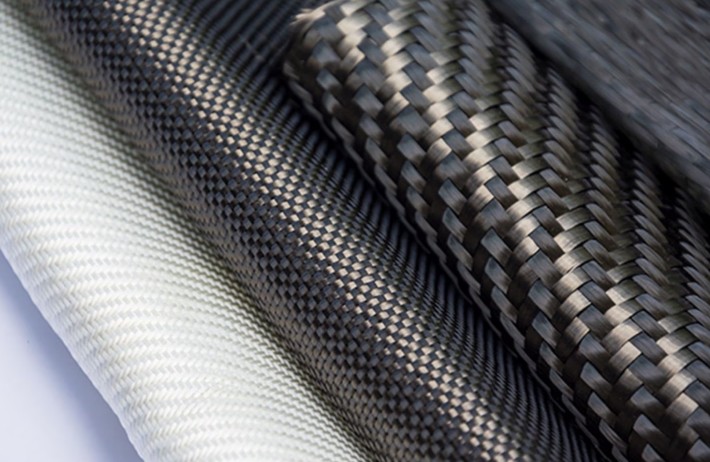
Carbon fiber materials
Carbon & glass fiber materials
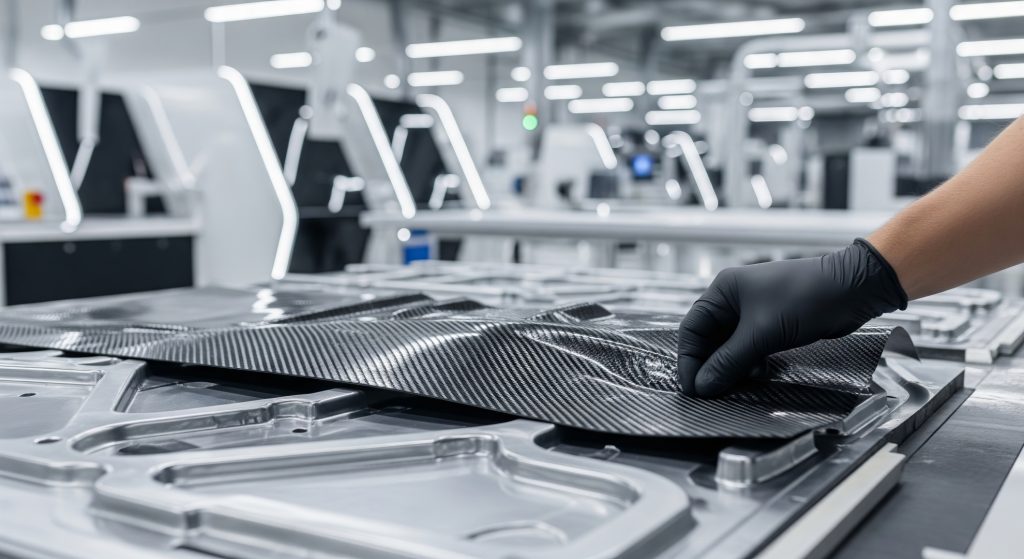
Composite parts production
This coverage connects carbon- and glass-fiber material selection with component production for automotive applications.
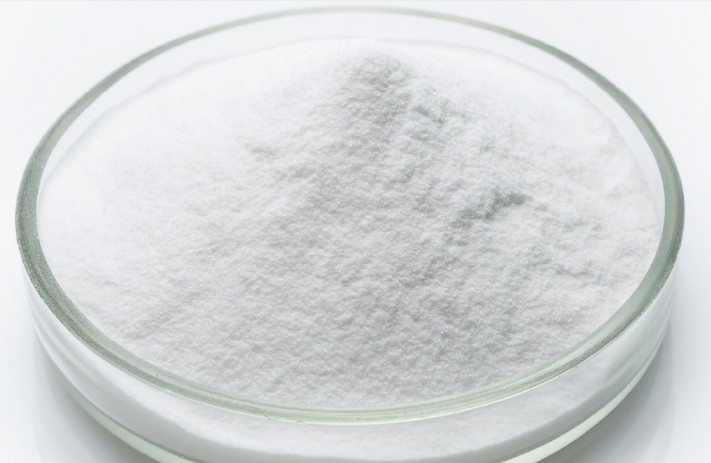
MMA monomers
PMMA materials
Methylacrylate additives
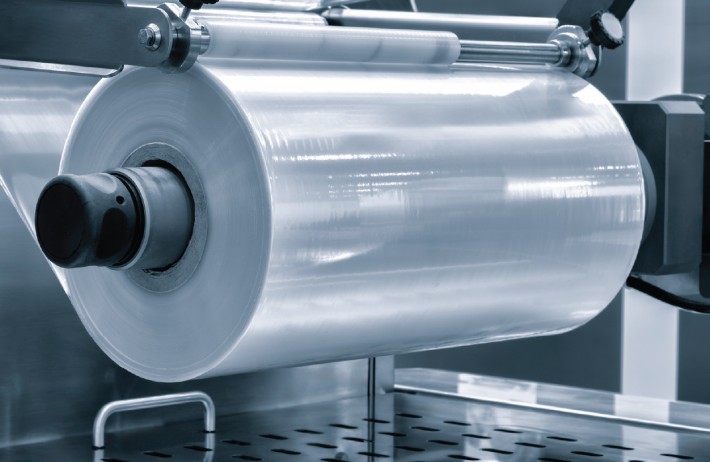
Optical films
Decorative & surface films
Hard-coats & protective films
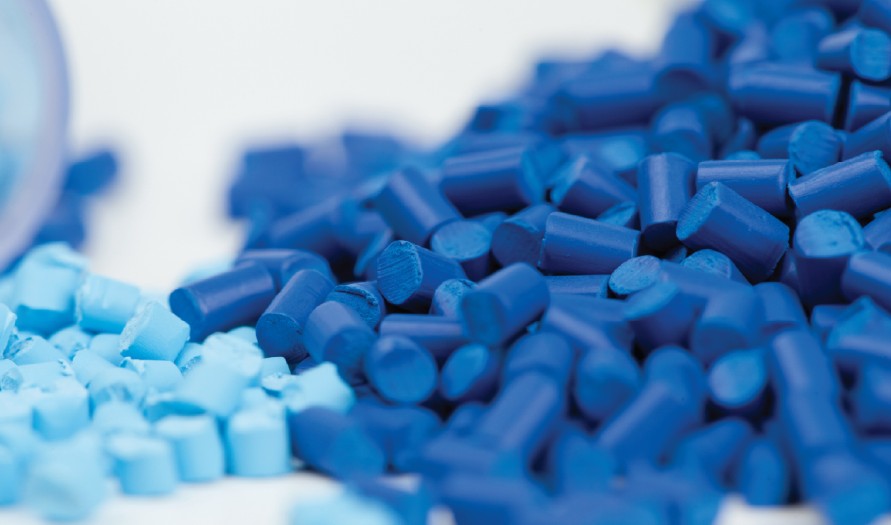
TPV, TPE, & TPO materials
ABS, PC, PP, & PU materials
PBT, PVC, & PCD materials
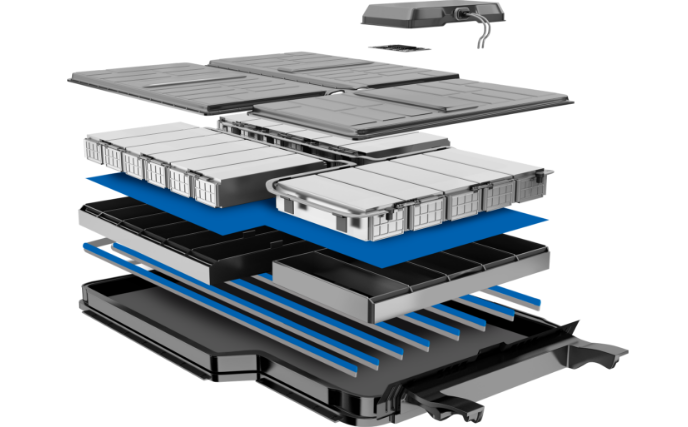
Binders & separators
Encapsulants & protective gels
Cooling & thermal interfacing
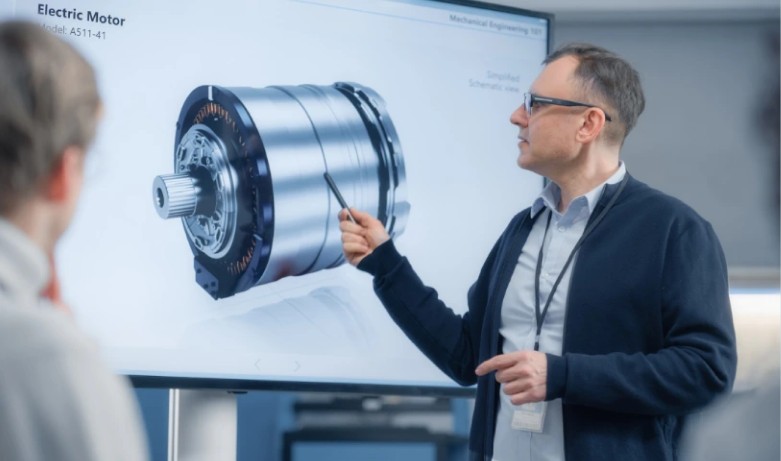
Get in touch, and our experts can help you find the optimal automotive materials for your application.
Across interiors, exteriors, functional components, and EV & hydrogen systems, Mitsubishi Chemical Group combines deep material science expertise with component-level understanding. Explore our application-ready material solutions for key segments in automotive manufacturing.
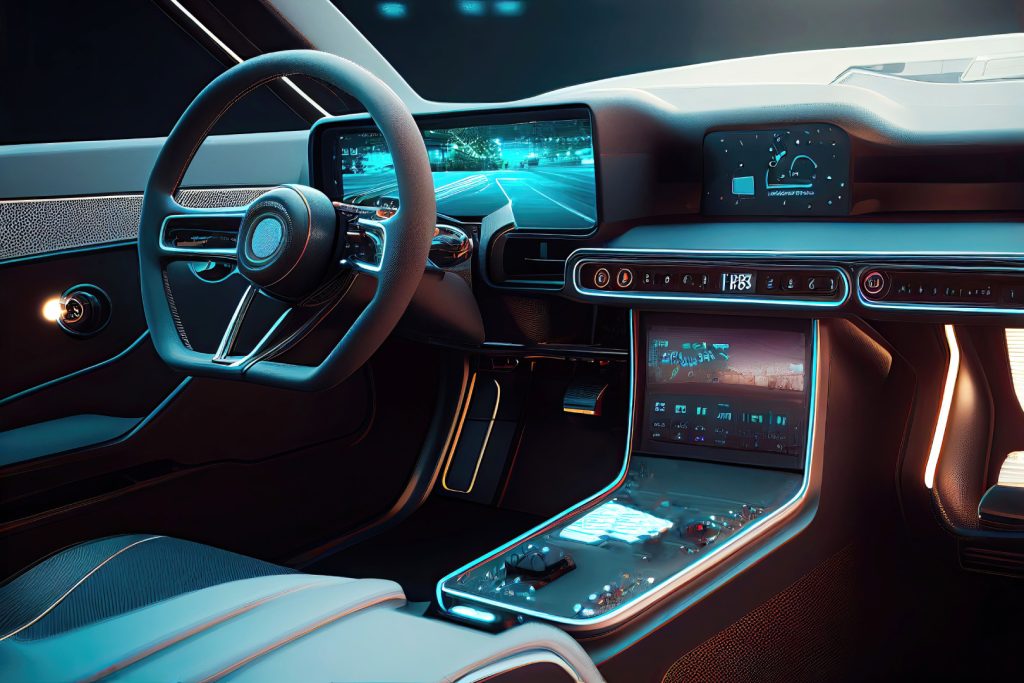
Automotive innovation extends far beyond software and electronics. Advances in electrification, advanced driver assistance systems, connectivity, lightweighting, and thermal management all depend on materials engineered for signal integrity, sensing accuracy, heat resistance, and durability.
Mitsubishi Chemical Group offers a comprehensive portfolio of advanced polymers, films, and functional materials designed to address the physical challenges at the core of modern vehicle design. By translating material science into application-ready solutions, Mitsubishi Chemical Group enables OEMs and Tier suppliers to turn emerging mobility concepts into a reliable, scalable reality.
Next-generation vehicles demand higher performance from electrified powertrains, advanced sensors , and integrated electronics. But these systems face physical constraints such as heat, electromagnetic interference, structural loads, and weight targets. Mitsubishi Chemical Group addresses these challenges with advanced materials that support sensor accuracy, signal integrity, and compact, lightweight design.
Modern vehicles are no longer standalone machines, but instead IoT systems on wheels. High-speed data transfer, reliable sensor performance, and uninterrupted communication are essential for enabling vehicle-to-vehicle, vehicle-to-infrastructure, and cloud connectivity. Achieving this requires materials that can manage electromagnetic interference, support advanced antenna designs, and protect signal integrity under demanding automotive conditions.
Mitsubishi Chemical Group partners with automotive industry innovators to develop material solutions that form the physical foundation of connected mobility. From polymers that enhance sensor performance, to resins that absorb electromagnetic waves, our portfolio enables accurate data transmission, reduced signal noise, and compact, lightweight component design – key prerequisites for next-generation connected vehicles.
At Mitsubishi Chemical Group, sustainability is a central principle behind our mission to achieve KAITEKI – wellbeing for people and the planet. By combining chemical expertise, material science innovation, and close collaboration with OEMs and Tier suppliers, we develop solutions that reduce environmental impact while supporting performance, safety, and comfort requirements across modern mobility applications.
Our approach to sustainable material development for the automotive sector focuses on practical, application-driven strategies: