Specialty materials for advanced automotive exteriors
We support automotive manufacturers and Tier suppliers with polymers, coatings, and composites engineered for demanding exterior components, optical systems, and sensor-integrated surfaces.
We support automotive manufacturers and Tier suppliers with polymers, coatings, and composites engineered for demanding exterior components, optical systems, and sensor-integrated surfaces.
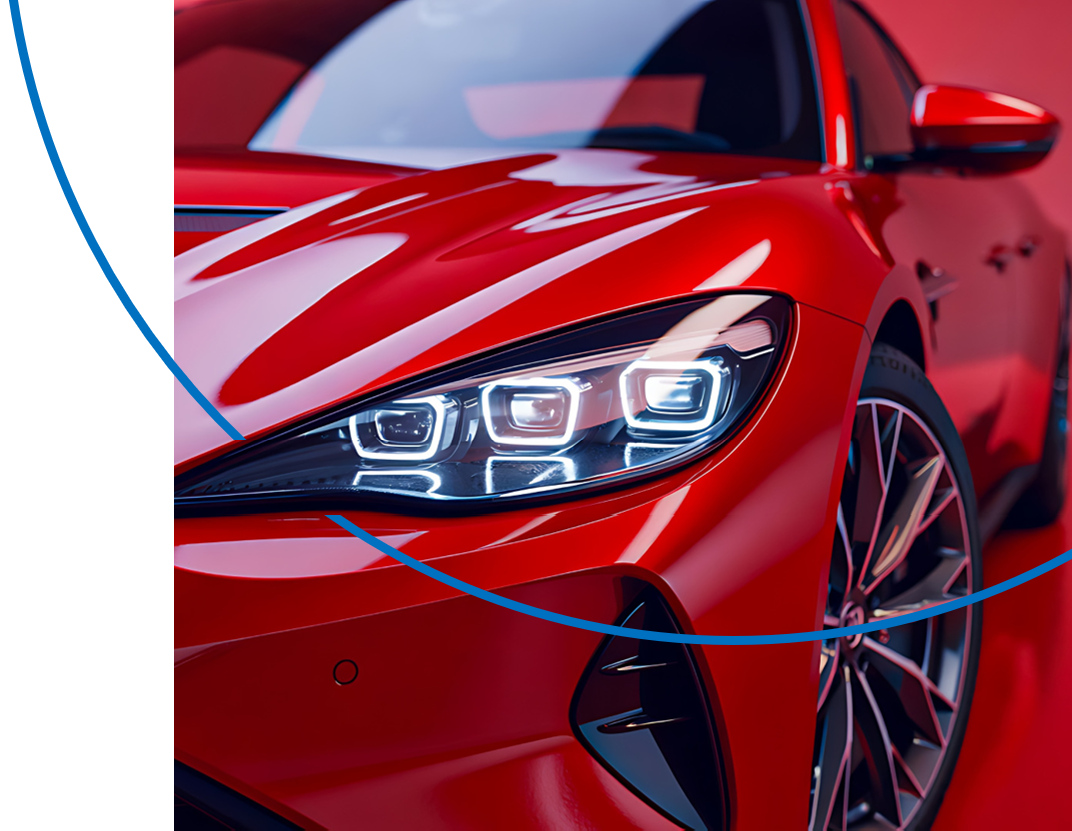
Materials used in automotive exteriors are subject to incredibly demanding performance requirements. Components must maintain mechanical integrity, surface quality, and visual appearance despite continuous exposure to road conditions.
At the same time, modern designs for automotive exteriors increasingly integrate optical functions, lightweight structures, and sensor-compatible surfaces that introduce additional constraints on materials.
Mitsubishi Chemical Group partners with OEMs and Tier suppliers to address these challenges through a broad portfolio of advanced polymers, coatings, and composite materials engineered for automotive exteriors. Our material solutions are designed to help you balance aesthetics, performance, durability, and manufacturability for high-volume automotive production.
From optical surfaces and lighting systems to body structures and sealing applications, we support your innovations by translating material science into robust, application-ready solutions.
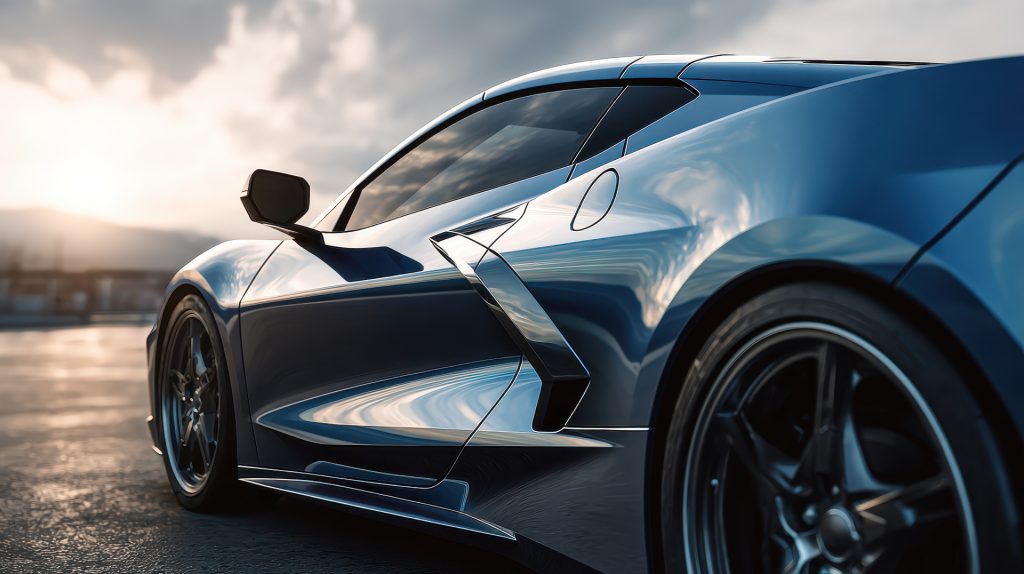
Exterior systems impose diverse material demands, from optical clarity and wave transparency to impact resistance and weathering stability. Mitsubishi Chemical Group provides specialized material solutions across lighting, sensing, and structural applications, helping OEMs and Tier suppliers balance performance, durability, processing efficiency, and design integration.
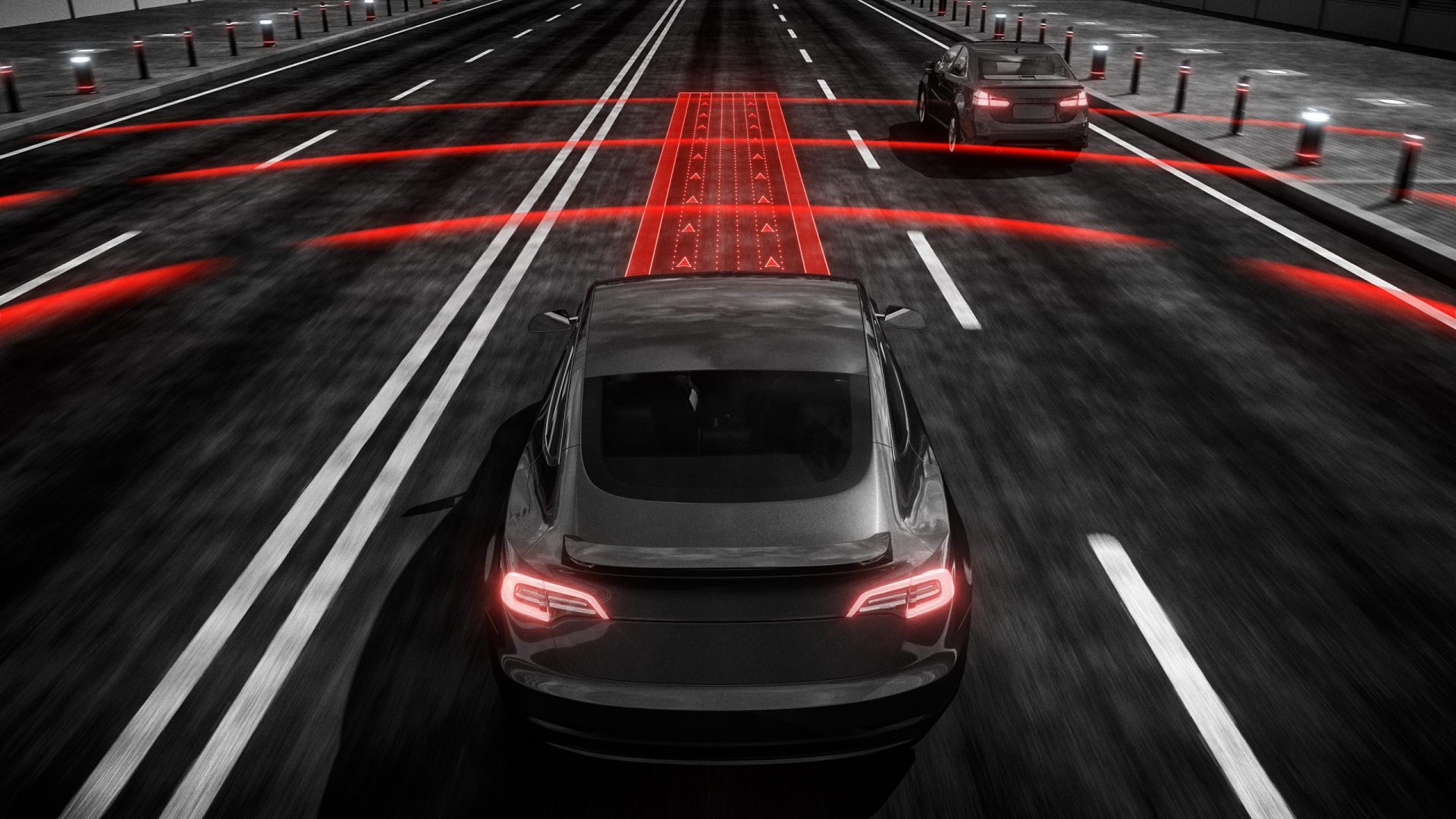
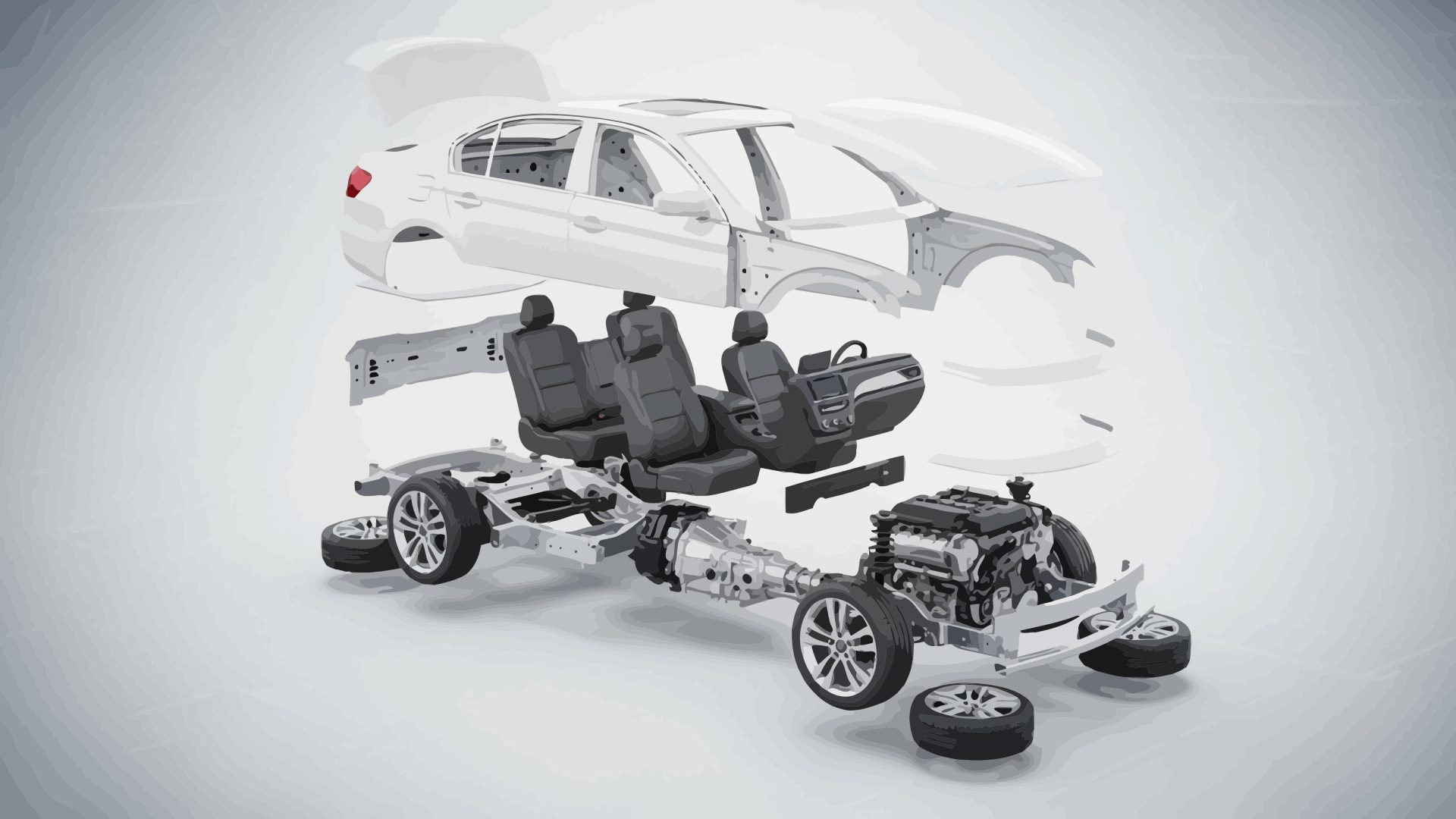
Mitsubishi Chemical Group provides a range of materials engineered to help provide clarity, control light behavior, minimize signal interference, and maintain long-term surface stability in automotive lighting and sensor applications. These materials enable durable lenses, covers, decorative illuminated elements, and wave-transparent exterior features for modern vehicle designs.
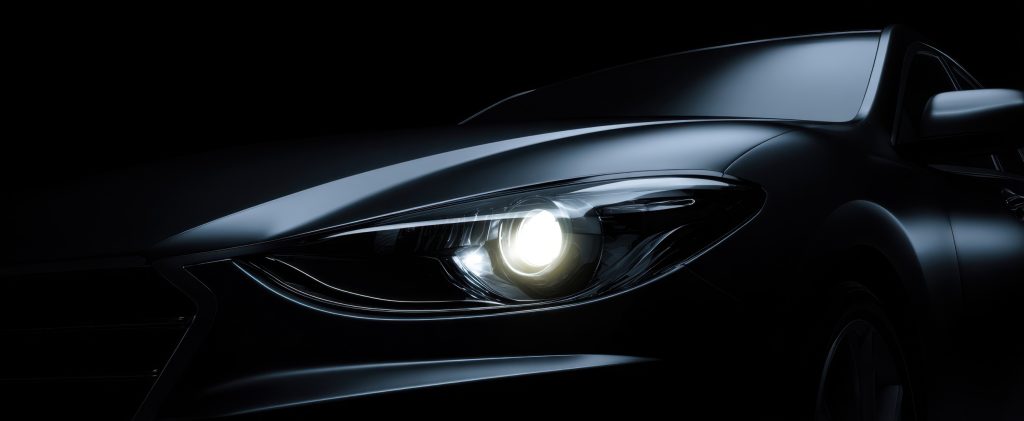
Lenses, bezels, and housings
Optical materials for durable, high-clarity headlight and taillight systems
Front and rear lighting components require materials that maintain optical clarity, color stability, and mechanical integrity despite continuous exposure to UV radiation, temperature cycling, moisture, and road debris. Polymers used in lenses, bezels, and housings must resist yellowing, surface degradation, and microcracking while supporting precise light distribution and long-term aesthetic quality.
Mitsubishi Chemical Group provides advanced optical polymers, coating technologies, and engineering plastics tailored for these critical automotive lighting applications. Our material solutions can support consistent illumination performance, design flexibility, and durable surface protection across a wide range of headlamp and taillamp designs.
Grade-level PMMA specification summary. The ACRYPET™ product portfolio identifies TN100 for thick-wall lenses and light guides, VH for lighting lenses, VH5 for diffusion lenses, VH4 for tail lamps, and TF8/TF9 for light guides; see the ACRYPET™ product information for grade-level details. Diakon™ PMMA is listed for rear lens covers and for light guides, lens covers, bezels, and reflectors; see Diakon™ Light Plus for product information.
Featured materials & technologies for front and rear lighting
Exterior vehicle components must withstand continuous mechanical loading and harsh environmental conditions while preserving appearance and dimensional stability. Mitsubishi Chemical Group supports exterior applications with advanced polymers and composites designed for structural reliability and aesthetic precision.
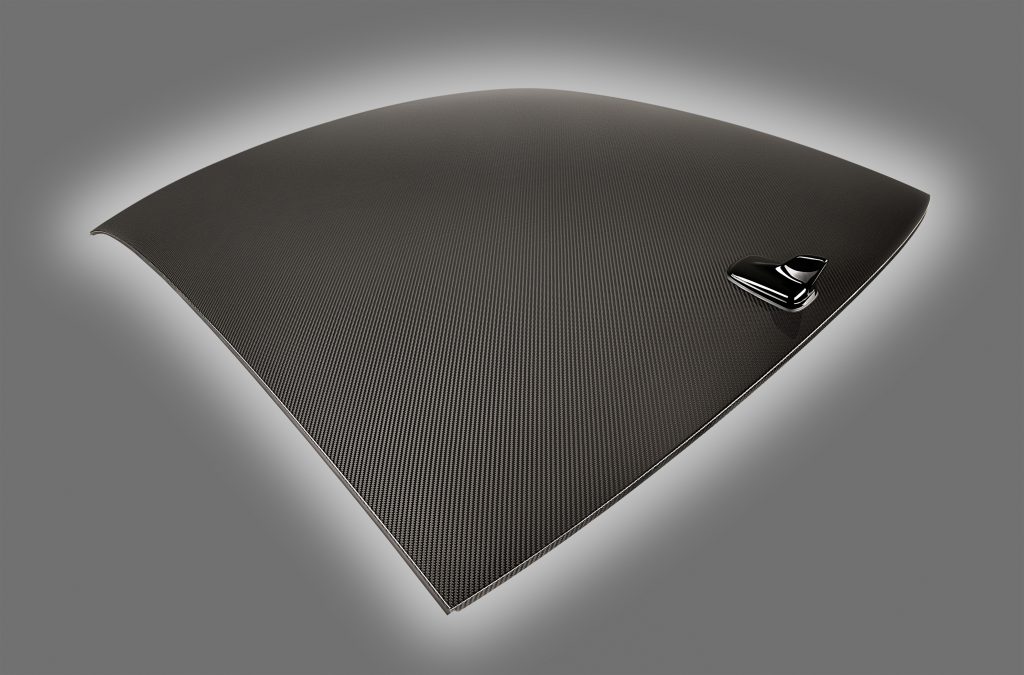
Exterior body panels
Lightweight composites for stiffness, impact resistance, and design flexibility
Exterior body panels must satisfy demanding requirements for mechanical strength, dimensional stability, surface quality, and weight reduction. In addition to aesthetics, these components influence structural performance and vehicle efficiency.
Lightweighting is a central engineering objective, as reducing mass directly improves vehicle dynamics and design flexibility. Advanced composites enable significant weight savings compared with metal while supporting complex shapes and part integration.
Mitsubishi Chemical Group supports innovative vehicle designs with high-performance composite technologies engineered for structural reliability and scalable manufacturing. These materials can help you meet your design goals alongside requirements for weight reduction, corrosion resistance, and durable exterior performance.
Featured materials & technologies for exterior structures

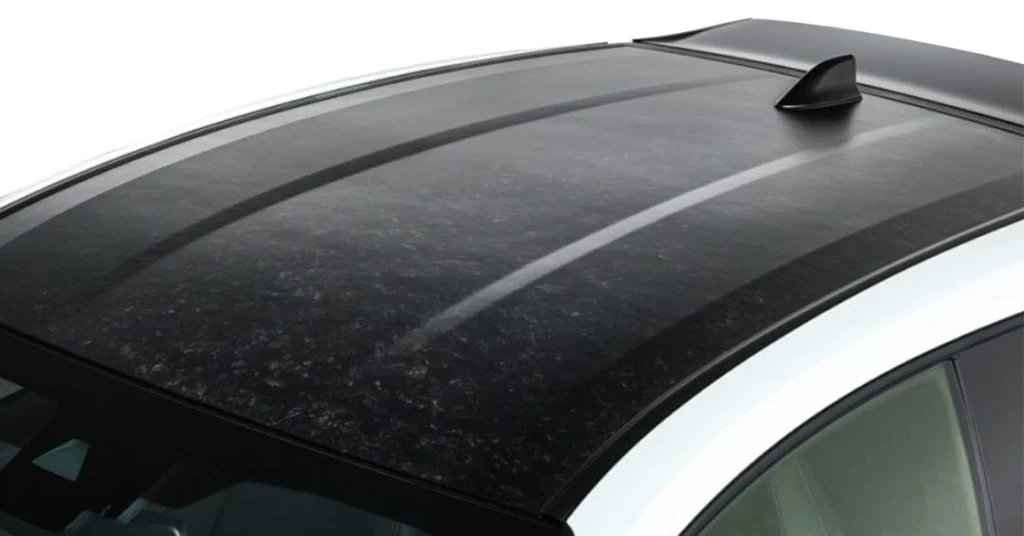
Mitsubishi Chemical Group’s Carbon Fiber Forged Molding Compound (CF-FMC) received the 2021 SPE ACCE Innovation Award for its application in the GR Yaris roof. The material was selected for its combination of impact resistance, thermal stability, corrosion resistance, and dimensional consistency. By enabling a lightweight roof structure, CF-FMC contributes to a lower center of gravity in the vehicle, improving the sports car’s overall handling.
CF-FMC materials are available in multiple resin and fiber configurations, allowing engineers to tailor mechanical properties, processing behavior, and design flexibility. Compared with traditional composite approaches such as prepreg or RTM, forged molding compounds offer shorter cycle times and improved productivity while maintaining structural performance characteristics comparable to aluminum alloys.
Backed by Mitsubishi Chemical Group’s integrated carbon fiber capabilities and materials expertise, CF-FMC supports lightweight structural and semi-structural applications, closure systems, and visually exposed CFRP components.
Working together, we can realize a sustainable vision for the future of automotive mobility that benefits us all. See how Mitsubishi Chemical Group collaborates with automotive OEMs and Tier suppliers, applying deep scientific expertise to support the development of next-generation solutions that are paving the way for better mobility for all.