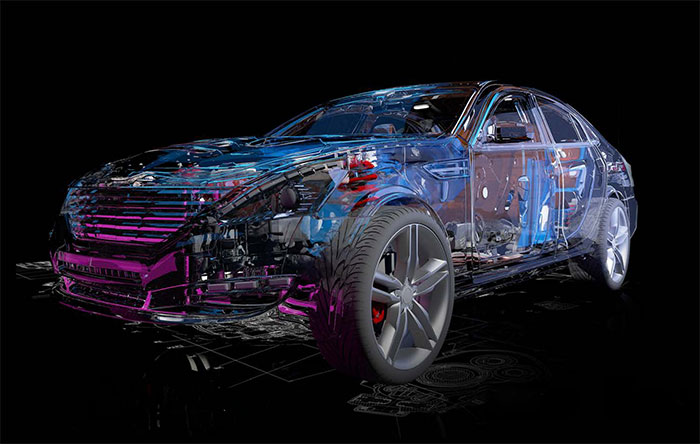
We understand the challenges
Electric vehicles have brought new challenges to automotive OEMs and consumers alike. From an OEM perspective, two of the key concerns are passenger safety and cost. Safety is impacted by the material selection for rigidity, impact resistance, and thermal stability. Additionally, costs are impacted by material cost, the ease of manufacturing, ease of service, and the bulk and weight of design.
From a consumer perspectives, adoption of EV technology is dependent on initial and on-going cost, safety, driving range, charging time, and the charging network infrastructure. Mitsubishi Chemical Group partners with OEMs and Tiers to develop innovative material solutions to solve concerns from OEMs and consumers – driving sustainable innovation.
Our EV innovation
Today, consumers demand more sustainable solutions, driving the need for technology development in materials, manufacturing, and end-of-life impact. As a vertically integrated manufacturer, Mitsubishi Chemical views material innovation through a sustainability lens, and develops custom solutions that address application challenges while also reducing negative environmental and social impacts.
Technology highlights:
Sol-Rite Formulated Electrolytes Mitsubishi Chemical Group is a leading provider of formulated electrolytes for Li-Ion batteries for the automotive industry. Sol-Rite electrolytes are formulated in organic solvents with functional additives that significantly improve battery performance.

EV Material Technology

Thermal Interface Materials for EV
Advances in electric and hybrid vehicle designs have led to the densification of electrical components and increased power output. To maintain electronic device performance and longevity, the protective materials used in these devices must also push the limits of performance and be adaptable to new and smaller designs. Gelest specializes in custom-developing thermally conductive silicones for potting and encapsulating, gap filler, and adhesive applications.
EV Battery Protection
Our Advanced Materials division is working on combining thermal runaway protection and electromagnetic interference (EMI). Our thermoplastic and thermoset technology is an ideal solution to improve manufacturing techniques to protect against extreme runaway temperatures and external electromagnetic signal interference to improve material-added value while decreasing manufacturing processing steps to improve ROI.
EV Applications
Mitsubishi Chemical Group offers an impressive portfolio ideal for demanding automotive applications such as carbon fiber, composites, high-performance engineering plastics, films, and more. As a solution-driven partner, Mitsubishi Chemical brings together high-performance materials, engineering processes, and innovative design expertise to allow automotive engineers to develop highly innovative solutions with new levels of functional integration.
EV Battery Cells
The quality of EV battery cell materials and manufacturing is critical, as any damage can impact the entire battery pack. Mitsubishi Chemical Group incorporates technical expertise and patented technologies to control the electrolyte interface on the cathode and anode of each EV battery cell.
- Sol-Rite | Formulated electrolytes
- SF-MPG | Anode materials
- Hostaphan™ Film | Battery cell manufacturing

Thermal Management
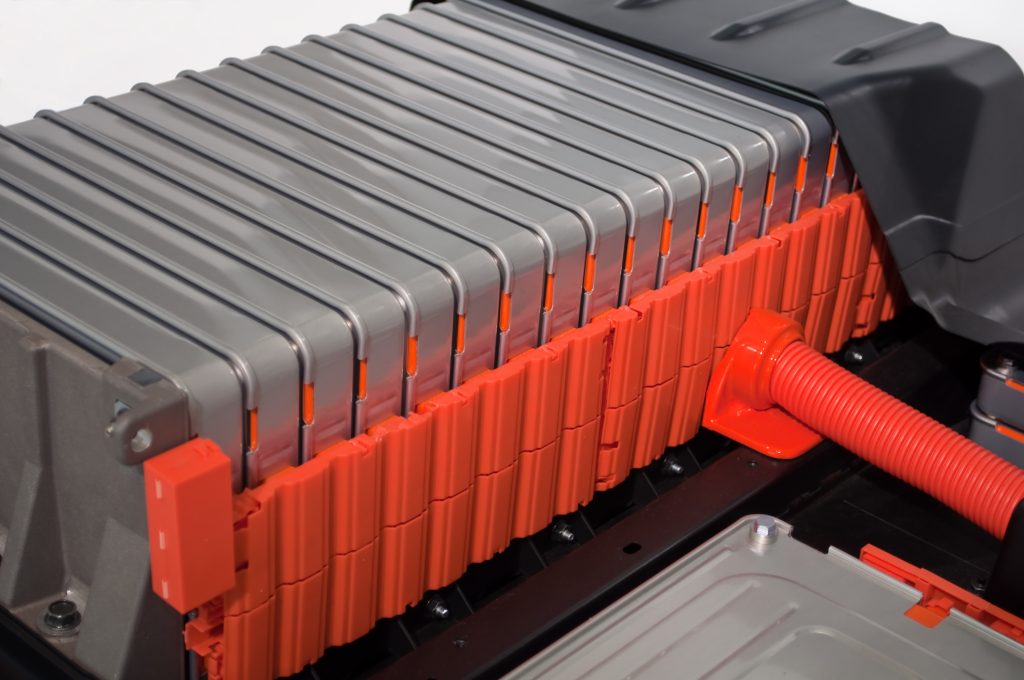
Thermal management and fire protection are the most essential components to driver safety in EV battery packs. Mitsubishi Chemical Group has developed various solutions for controlling heat flow, fire protection, battery cooling lines and tubes, and a foam casting liner. We also offer silicone adhesives for bonding electronic assemblies in components requiring thermal management.

Battery Pack Structural Materials
With a focus on driver safety, Mitsubishi Chemical Group customizes structural, lightweight materials for battery pack housings and enclosures that are designed to out-preform the most stringent material properties. These thermoplastic and thermoset resin systems are reinforced by a variety of materials such as short or long glass fibers, carbon fiber, glass mat, and weave technologies.

Connectors & Electrical Components
Mitsubishi Chemical Group provides high-performance resins for electrical components to enable flexible, reliable, and safe systems. Within automotive applications, our additives can significantly increase the material durability and toughness, increase processability, and bolster other properties.
- METABLEN | Wire harnesses
- NOVADURAN | Connectors
- Olefista FR Olefin | High voltage wiring & connectors
- TEFABLOC TPE | High-voltage wiring jackets
- Gelest Silicone Solutions | Protective encapsulants, protective gels, coating

HV Pressure Vessels & Fuel-cells
Material solutions for HVs bring a unique set of challenges to manufacturers. Mitsubishi Chemical Group offers a wide range of structural, lightweight materials and adhesives suitable for CNG and Hydrogen vehicle pressure vessels and carriers. These thermoset and thermoplastic materials fulfill the most demanding crash and mechanical property requirements.
- ADTEX | Adhesive polymer
- SoarnoL EVOH | Gas barrier
- Pyrofil Carbon Fiber Paper | Gas Diffusion Layer
- GMT eFR | Pressure vessel carrier
- Pyrofil | High tensile strength CF & Towpreg for pressure vessels

Electric Motor
Mitsubishi Chemical Group has partnered with customers to develop high-quality materials for the EV space, including solutions specific to rotors and housings of electric motors. Our molding compounds and thermoplastic composites produce high-strength, lightweight structural components made to stand the test of time.

Resources & Articles
Most Recent Articles
Discover Mitsubishi Chemical Group: Making the materials that make cars
Webinar sheds light on the major industry players spearheading EV battery safety
The critical role of cooling tubes in EV fire safety
Ask our experts about EV & Hydrogen Material Solutions, today!